50 FIFA World Cup Facts Every Football Fan Should Know
The FIFA World Cup is more than just a football tournament—it’s the world’s biggest sporting celebration. Every four years (with one exception during World War II), billions of fans unite to watch nations compete for football’s most prestigious prize. Legendary players are made, unforgettable moments are created, and records are broken on the grandest stage.
The 2026 FIFA World Cup once again reminded fans why this tournament captivates the world. From breathtaking goals to dramatic extra-time battles and emotional celebrations, it added another memorable chapter to football history.
But beyond the trophies and famous matches lies a treasure trove of incredible stories, surprising statistics, and little-known facts that many fans have never heard.
In this guide, you’ll discover 50 fascinating FIFA World Cup facts, including the tournament’s remarkable history, incredible records, unforgettable achievements, and astonishing moments that have shaped the beautiful game.
Whether you’re a lifelong football supporter or simply curious about the world’s most popular sport, these FIFA World Cup facts will give you a new appreciation for football’s greatest tournament.
Did You Know? The FIFA World Cup is the most watched single-sport event on Earth, attracting billions of viewers across television, streaming platforms, and social media during every tournament.
Table of Contents
- A Brief History of the FIFA World Cup
- Tournament Facts
- Trophy Facts
- Historic Records
- Legendary Players
- Incredible Statistics
- Memorable Finals
- Amazing Football Trivia
- FAQs
- Final Thoughts
A Brief History of the FIFA World Cup
The FIFA World Cup was first held in 1930 after FIFA recognized the need for a global championship where national teams could compete for international football supremacy.
The inaugural tournament took place in Uruguay and featured just 13 teams. Since then, the competition has grown into the largest sporting event on the planet, with the 2026 tournament expanding to 48 national teams, making it the biggest World Cup in history.
Over nearly a century, the World Cup has produced unforgettable legends such as Pelé, Diego Maradona, Ronaldo Nazário, Zinedine Zidane, Lionel Messi, Cristiano Ronaldo, and many more.
Today, winning the FIFA World Cup is considered the highest achievement in international football.
FIFA World Cup Facts: Tournament History & Origins
1. The First FIFA World Cup Was Held in 1930
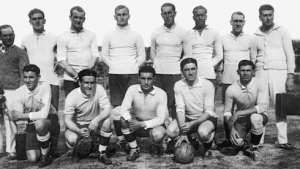
The inaugural FIFA World Cup took place in Uruguay, which had recently won Olympic football gold medals and was celebrating the centenary of its constitution.
Only 13 national teams participated because international travel was expensive and time-consuming.
Despite its modest beginnings, the tournament laid the foundation for the world’s biggest sporting event.
2. Uruguay Became the First World Cup Champion
Uruguay defeated Argentina 4–2 in the first-ever FIFA World Cup Final.
More than 68,000 spectators packed Montevideo’s Estadio Centenario to witness football history.
3. The FIFA World Cup Is Nearly a Century Old
The competition has evolved dramatically since 1930.
What began as a small tournament now attracts billions of viewers from virtually every country on Earth.
Few sporting competitions have enjoyed such lasting global appeal.
4. The Tournament Has Only Been Canceled Twice
The FIFA World Cup was not held in:
- 1942
- 1946
Both tournaments were canceled because of World War II.
Since returning in 1950, the competition has been held regularly every four years.
5. The World Cup Has Been Hosted on Six Continents
Over the decades, the tournament has traveled across:
- Europe
- South America
- North America
- Asia
- Africa
- The Middle East
Each host nation has brought its own culture, traditions, and atmosphere to football’s greatest event.
6. The 2026 FIFA World Cup Became the Largest Ever
The 2026 tournament introduced 48 teams, replacing the previous 32-team format.
This expansion allowed more nations than ever before to compete on football’s biggest stage and increased the total number of matches.
7. More Than 200 Nations Compete to Qualify
Although only a limited number of teams reach the finals, over 200 FIFA member associations participate in qualification.
For many countries, simply qualifying is considered a historic achievement.
8. Every World Cup Creates New National Heroes
From Pelé in 1958 to Diego Maradona in 1986 and more recent stars who have shone on the biggest stage, the World Cup has consistently introduced players whose performances become part of football folklore.
The tournament often transforms talented players into global icons.
9. Winning the World Cup Is the Ultimate Dream for Most Footballers
Many players win league titles, domestic cups, and continental trophies during their careers.
However, countless football legends have described lifting the FIFA World Cup Trophy as the greatest honor in the sport because it represents success with one’s national team.
10. The World Cup Trophy Is Made of 18-Carat Gold
The current FIFA World Cup Trophy weighs approximately 6.1 kilograms (13.5 pounds).
Standing about 36.8 centimeters (14.5 inches) tall, it depicts two human figures holding up the Earth.
It is considered one of the most recognizable trophies in world sport.
FIFA World Cup Trophy Facts
11. The Original World Cup Trophy Was Named After Jules Rimet

Before the current trophy existed, winners received the Jules Rimet Trophy, named after the FIFA president who played a major role in creating the tournament.
Brazil permanently kept the original trophy after winning its third World Cup in 1970.
12. The Original Trophy Was Stolen—Twice
One of the most astonishing facts about the FIFA World Cup is that the Jules Rimet Trophy disappeared on two separate occasions.
It was famously stolen in England before the 1966 tournament but was found by a dog named Pickles, who became an international celebrity.
Years later, after being permanently awarded to Brazil, the trophy was stolen again in 1983 and has never been recovered.
13. The Current Trophy Cannot Be Won Permanently
Unlike the Jules Rimet Trophy, the modern FIFA World Cup Trophy remains FIFA’s property.
Winning teams receive the trophy during the celebration before returning it to FIFA.
Champions are later presented with a gold-plated replica.
14. Every Champion Has Its Name Engraved
The base of the FIFA World Cup Trophy contains the names of every winning nation.
As new champions are crowned, their names are carefully engraved onto the trophy, preserving football history for future generations.
15. Lifting the Trophy Is One of Sport’s Most Iconic Images
Few moments compare to a captain raising the FIFA World Cup Trophy after the final whistle.
That celebration symbolizes years of sacrifice, national pride, teamwork, and sporting excellence, making it one of the most recognizable images in global sport.

⚽ Did You Know?
The FIFA World Cup Trophy is solid 18-carat gold, but because it is hollow, it is much lighter than many people expect. Even so, lifting it remains one of the greatest moments in any footballer’s career.
Quick Recap
So far, you’ve discovered that:
- The FIFA World Cup began in 1930 with just 13 teams.
- Uruguay became the tournament’s first champion.
- Only World War II has interrupted the competition.
- The 2026 tournament became the largest World Cup ever with 48 teams.
- More than 200 nations compete during qualification.
- The original Jules Rimet Trophy was stolen twice.
- The modern FIFA World Cup Trophy remains FIFA’s property and is awarded temporarily to champions.
Love incredible facts? Explore our other Fact-Pedia articles:
FIFA World Cup Facts: Legendary Records & Historic Achievements (Facts #16–30)
One reason the FIFA World Cup captures the imagination of billions is the incredible records created on football’s biggest stage. Some have stood for decades, while others continue to inspire every new generation of players.
These FIFA World Cup facts highlight the extraordinary achievements that have shaped the history of the tournament.
FIFA World Cup Facts About Legendary Records
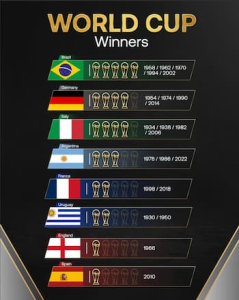
16. Brazil Has Won the Most FIFA World Cup Titles
No nation has lifted the FIFA World Cup Trophy more times than Brazil.
The Seleção has won the tournament five times, making them the most successful men’s national team in World Cup history.
Their victories came in:
- 1958
- 1962
- 1970
- 1994
- 2002
Brazil is also the only nation to have appeared in every FIFA World Cup tournament since 1930.
17. Only Eight Nations Had Won the Men’s FIFA World Cup Before the 2026 Final
For most of the tournament’s history, the title has been shared by a remarkably small group of countries.
Before the conclusion of the 2026 FIFA World Cup, only eight nations had won the men’s tournament:
- Uruguay
- Italy
- Germany
- Brazil
- England
- Argentina
- France
- Spain
This highlights just how difficult it is to become world champion.
18. Pelé Remains the Youngest World Cup Winner

Brazilian legend Pelé won his first FIFA World Cup in 1958 at just 17 years old.
He scored twice in the final against Sweden and became one of football’s greatest icons.
His achievement has never been surpassed.
19. Miroslav Klose Holds the Record for the Most World Cup Goals
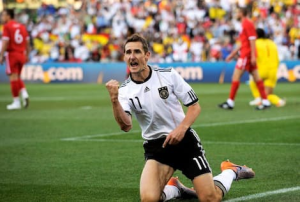
German striker Miroslav Klose scored 16 goals across four FIFA World Cups.
He broke the previous record held by Brazil’s Ronaldo Nazário during the 2014 tournament.
Scoring consistently over multiple World Cups is considered one of football’s greatest achievements.
20. Lionel Messi Set Numerous World Cup Records

Lionel Messi’s World Cup career spans multiple tournaments and includes several remarkable achievements, such as record appearances in World Cup matches and becoming one of the competition’s all-time leading scorers and assist providers.
His performances helped cement his place among football’s all-time greats.
21. Cristiano Ronaldo Scored in Five Different World Cups
Cristiano Ronaldo became the first men’s player to score in five separate FIFA World Cups, demonstrating extraordinary consistency and longevity at the highest level of international football.
22. The Fastest Goal in World Cup History Came Just Seconds After Kickoff
Turkey’s Hakan Şükür scored after only 11 seconds against South Korea during the 2002 FIFA World Cup.
That astonishing strike remains the fastest goal ever scored in a men’s World Cup match.
23. The Highest-Scoring World Cup Match Produced 12 Goals
Austria defeated Switzerland 7–5 during the 1954 FIFA World Cup.
The thrilling encounter remains the highest-scoring match in tournament history.
24. The Biggest Victory in World Cup History Was 10–1
Hungary defeated El Salvador 10–1 during the 1982 FIFA World Cup.
It remains the largest winning margin in a men’s World Cup finals match.
25. The World Cup Golden Boot Honors the Top Goal Scorer
Since 1982, FIFA has officially awarded the Golden Boot to the tournament’s leading scorer.
Winning the award often turns talented forwards into global superstars.
Legendary Players
26. Only One Player Has Won Three Men’s FIFA World Cups
Pelé remains the only player to have won three FIFA World Cup titles.
He lifted the trophy in:
- 1958
- 1962
- 1970
This extraordinary achievement is widely regarded as one of football’s greatest records.
27. Goalkeepers Can Become World Cup Heroes
While strikers often grab the headlines, goalkeepers have produced some of the tournament’s most unforgettable moments.
Spectacular saves, penalty shootout performances, and commanding displays have helped several nations lift the trophy.
28. Some Football Legends Never Won the World Cup
Despite remarkable club careers, several legendary players never lifted football’s biggest prize.
Examples include:
- Johan Cruyff
- Ferenc Puskás
- George Best (whose nation never qualified)
- Paolo Maldini (despite Italy’s success before and after his international career)
This illustrates how difficult it is to win the tournament, even for the greatest players.
29. Every Generation Produces New World Cup Stars
The FIFA World Cup has introduced countless players to the global stage.
A breakout performance in the tournament can completely transform a footballer’s career, leading to worldwide recognition and opportunities at the biggest clubs.
30. Winning the World Cup Changes Football History Forever
Every champion becomes part of football history.
Victorious players are remembered for generations, while iconic goals, dramatic saves, and unforgettable celebrations become defining moments in the sport.
For many fans, the FIFA World Cup is where football legends are truly made.
⚽ Did You Know?
The FIFA World Cup has produced some of the most-watched sporting moments in history. Finals regularly attract hundreds of millions of viewers worldwide, making them among the largest television and streaming events on the planet.
World Cup Records: Myth vs. Fact
| Myth | Fact |
|---|---|
| Brazil has won every World Cup. | Brazil has won more men’s World Cups than any other nation, but many other countries have also become champions. |
| The fastest World Cup goal happened within one minute. | Hakan Şükür scored after just 11 seconds in 2002. |
| Every football legend has won the World Cup. | Several all-time greats finished their careers without lifting the trophy. |
| Only strikers become World Cup heroes. | Goalkeepers, defenders, and midfielders have also produced iconic performances that shaped tournament history. |
| Breaking World Cup records is common. | Many records have stood for decades because of the tournament’s high level of competition. |
Quick Recap
So far, you’ve learned that:
- Brazil is the most successful men’s World Cup nation.
- Pelé remains the youngest World Cup winner and the only player with three men’s World Cup titles.
- Miroslav Klose holds the men’s World Cup scoring record.
- Cristiano Ronaldo became the first man to score in five different World Cups.
- The fastest goal came after only 11 seconds.
- The highest-scoring World Cup match produced 12 goals.
- Some of football’s greatest players never won the World Cup.
Enjoy learning about extraordinary records? You may also like:
More Fascinating FIFA World Cup Facts, Historic Moments & Incredible World Cup Trivia (Facts #31–45)
Some of the most memorable FIFA World Cup facts aren’t just about trophies—they’re about unforgettable moments, incredible statistics, and stories that have become part of football folklore.
From giant-killings to record crowds, these facts show why the FIFA World Cup continues to captivate fans across generations.
Historic Moments & Incredible Records
31. The FIFA World Cup Is the Most-Watched Single-Sport Event in the World
No other single-sport tournament captures a global audience like the FIFA World Cup.
Billions of people follow the competition through television, streaming services, radio, social media, and live updates, making it one of the largest sporting spectacles on Earth.
Every tournament unites fans from different cultures, languages, and backgrounds through a shared love of football.
32. Every Continent Has Produced Memorable World Cup Moments
Although European and South American nations have won most men’s World Cup titles, teams from Africa, Asia, North America, and Oceania have all created unforgettable moments by defeating stronger opponents and reaching historic milestones.
These performances remind fans that anything can happen in football.
33. The World Cup Has Produced Some of Sport’s Greatest Upsets
One reason fans love the tournament is its unpredictability.
Throughout history, underdogs have shocked defending champions and tournament favorites, proving that reputation alone never guarantees victory.
Many of these surprises are still discussed decades later.
34. Penalty Shootouts Have Decided Some of the Biggest Matches
When teams cannot be separated after extra time, penalty shootouts determine the winner.
These dramatic contests have produced moments of heartbreak, redemption, and unforgettable celebrations, making penalties one of football’s greatest psychological challenges.
35. The World Cup Has Inspired Some of Football’s Greatest Goals
From stunning long-range strikes to breathtaking solo runs and acrobatic volleys, the tournament has showcased goals that remain iconic years after they were scored.
Many fans can instantly recognize these moments from a single photograph or commentary clip.
36. Every FIFA World Cup Has Its Own Official Match Ball
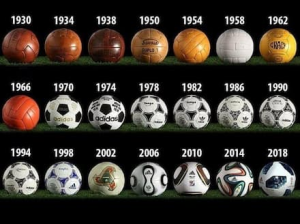
Since 1970, every men’s FIFA World Cup has featured a uniquely designed official match ball.
Advances in materials and aerodynamics have made each generation of footballs faster, more accurate, and more consistent.
Some designs became legendary among players and fans alike.
37. Every Tournament Introduces a New Official Mascot
World Cup mascots have become an important part of tournament culture.
Representing the host nation’s identity and traditions, mascots entertain young fans while helping promote the event around the world.
38. Host Nations Often Enjoy a Home Advantage
Playing in front of passionate home supporters can provide a significant psychological boost.
Several host nations have reached the latter stages of the tournament, while a number have gone on to become world champions.
Crowd support can make an enormous difference during crucial matches.
39. Football Has Created Some of the Largest Stadium Crowds in History
Several World Cup matches have attracted astonishing attendances.
Historic stadiums packed with passionate supporters have created unforgettable atmospheres that players often describe as career-defining experiences.
40. Every FIFA World Cup Leaves a Lasting Legacy
Long after the final whistle, the tournament often leaves behind:
- New stadiums
- Improved transport systems
- Tourism growth
- Youth football development
- Community sports facilities
Many host nations continue to benefit from these investments for years.
Fascinating FIFA World Cup Facts and Trivia
41. Referees Also Make World Cup History
Players aren’t the only people remembered.
Referees have become famous for courageous decisions, controversial moments, and outstanding performances under immense pressure.
Some officiating decisions remain among football’s most debated topics.
42. Weather Has Changed the Outcome of Matches
Extreme heat, heavy rain, strong winds, and high humidity have all influenced World Cup games.
Teams that adapted quickly often gained an important advantage over their opponents.
43. Superstitions Are Common at the World Cup
Many players follow personal routines before matches.
Some always wear the same boots.
Others step onto the pitch with a particular foot first or listen to the same music before kickoff.
Whether these rituals help or not, they remain part of football culture.
44. The World Cup Has Inspired Countless Young Footballers
For millions of children, watching the FIFA World Cup is the moment they fall in love with football.
Many professional players have said they dreamed of becoming footballers after watching previous tournaments with family and friends.
The competition continues to inspire future generations.
45. Every World Cup Creates New Records
No two tournaments are exactly alike.
Each edition produces:
- New scoring records
- Breakthrough stars
- Tactical innovations
- Memorable celebrations
- Historic firsts
This constant evolution is one reason the FIFA World Cup remains so exciting.
⚽ Did You Know?
The FIFA World Cup has featured players from almost every corner of the globe, turning the tournament into one of the world’s greatest celebrations of cultural diversity, sportsmanship, and international competition.
World Cup Trivia: Myth vs. Fact
| Myth | Fact |
|---|---|
| Only the final matters. | Historic moments happen throughout every stage of the tournament. |
| Host nations always win. | While home advantage helps, many host nations have been eliminated before the final. |
| Every World Cup uses the same football. | FIFA introduces a newly designed official match ball for each tournament. |
| Football is only popular in Europe and South America. | The FIFA World Cup is followed passionately across every inhabited continent. |
| Records stop being broken. | Every World Cup creates new milestones and unforgettable achievements. |
Quick Recap
So far, you’ve discovered that:
- The FIFA World Cup is the world’s most-watched single-sport competition.
- Underdogs have repeatedly produced unforgettable upsets.
- Penalty shootouts have decided some of football’s biggest matches.
- Every tournament introduces a new official match ball and mascot.
- Host nations often benefit from home support.
- Weather, refereeing decisions, and even personal superstitions have influenced World Cup history.
- Every edition leaves behind a sporting, cultural, and economic legacy.
If you enjoy discovering incredible facts, continue reading:
Legendary Moments & Lasting Legacy (Facts #46–50)
The FIFA World Cup is more than a tournament—it is a celebration of football that creates unforgettable memories, inspires future generations, and unites billions of people around the globe. These final FIFA World Cup facts highlight why the competition remains the pinnacle of international football.
46. Every FIFA World Cup Crowns New National Heroes
A single outstanding performance at the World Cup can transform a footballer into a national icon overnight.
Players who score winning goals, save crucial penalties, or lead their countries to historic victories are remembered for generations. In many nations, World Cup heroes become symbols of pride long after their playing careers end.
47. The World Cup Has Changed the Laws and Tactics of Football
Many tactical innovations have gained worldwide attention during the FIFA World Cup.
Over the years, the tournament has showcased:
- High pressing systems
- Possession-based football
- Counter-attacking strategies
- Sweeper-keeper goalkeeping
- Data-driven match preparation
Successful World Cup teams often influence how clubs and national teams play for years afterward.
48. Hosting the World Cup Can Transform a Country
Hosting the FIFA World Cup often leads to major investments in:
- Stadium construction
- Airports
- Roads and railways
- Hotels
- Sports facilities
- Tourism infrastructure
While the long-term economic impact varies by country, many host nations use the tournament as an opportunity to showcase their culture and modern development to the world.
49. The FIFA World Cup Continues to Break Records
With every edition, new milestones are achieved.
Whether it’s attendance figures, television audiences, goals scored, or emerging football nations making history, the tournament continues to evolve and set new standards.
The expansion to 48 teams in 2026 marked one of the biggest changes in World Cup history, allowing more nations to compete on football’s grandest stage.
50. The FIFA World Cup Unites the World Like Few Other Events
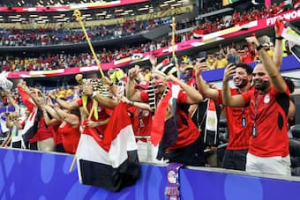
Perhaps the most remarkable FIFA World Cup fact is its ability to bring people together.
Regardless of language, nationality, or culture, billions of fans celebrate the same goals, experience the same tension, and share the same joy and heartbreak.
For a few weeks every four years, football truly becomes the world’s common language.
⚽ Did You Know?
The FIFA World Cup has been played by generations of football legends, but every tournament also introduces new stars. Today’s young players could become tomorrow’s World Cup icons, continuing the tournament’s rich history.
FIFA World Cup Myths vs. Facts
| Myth | Fact |
|---|---|
| The World Cup is only popular among football fans. | It attracts billions of viewers, including many casual sports fans. |
| Winning the World Cup depends only on talent. | Success also requires teamwork, preparation, tactics, fitness, and mental strength. |
| Every favorite reaches the final. | The tournament has produced many famous upsets throughout its history. |
| The World Cup is only about football. | It also promotes culture, tourism, national pride, and international unity. |
| Records last forever. | Every tournament offers players and teams the chance to create new history. |
These FIFA World Cup Facts demonstrate why the tournament continues to inspire billions of football fans across every continent. Every edition writes a new chapter in football history and creates unforgettable memories.
Frequently Asked Questions (FAQs)
1. When was the first FIFA World Cup held?
The first FIFA World Cup took place in 1930 in Uruguay.
2. Which country has won the most FIFA World Cups?
Brazil holds the record with five men’s FIFA World Cup titles.
3. How often is the FIFA World Cup held?
The men’s FIFA World Cup is normally held every four years.
4. How many teams played in the 2026 FIFA World Cup?
The tournament expanded to 48 teams, making it the largest edition in history.
5. Who has scored the most goals in men’s FIFA World Cup history?
Germany’s Miroslav Klose holds the record with 16 goals.
6. Who is the youngest FIFA World Cup winner?
Pelé won the World Cup with Brazil in 1958 at just 17 years old.
7. Which nation hosted the first FIFA World Cup?
Uruguay hosted and won the inaugural tournament in 1930.
8. Why is the FIFA World Cup so popular?
It combines elite competition, national pride, global participation, unforgettable moments, and the universal appeal of football, making it one of the world’s biggest sporting events.
Final Thoughts on FIFA World Cup Facts
These FIFA World Cup Facts show that the tournament is far more than just a football competition. It is a global celebration of talent, passion, history, and unforgettable sporting moments that continue to unite billions of fans.
From Uruguay’s triumph in 1930 to the expanded competition of 2026, each tournament has added new stories to football’s rich legacy. Some records have stood for decades, while others continue to be broken by new generations of stars determined to leave their mark on the game.

These FIFA World Cup facts remind us why billions of people stop to watch the tournament every four years. It celebrates skill, determination, teamwork, resilience, and the dream of representing a nation on the biggest stage.
As football continues to grow around the world, one thing remains certain: the next FIFA World Cup will create new heroes, unforgettable moments, and fascinating facts that fans will talk about for generations.
We hope these FIFA World Cup Facts helped you discover something new about football’s greatest tournament. Be sure to bookmark this guide and share it with fellow football fans.

Leah Awuor is a seasoned content creator and digital storyteller with a passion for crafting narratives that inform, inspire, and engage. With a wealth of experience profiling media personalities, politicians, celebrities, and emerging trends, Leah brings together sharp analytical insight and a natural talent for storytelling.
Her work is recognized for its accuracy, depth, and ability to spark meaningful conversations. As the creative force behind some of Fact-Pedia’s most-read articles, Leah consistently delivers high-impact content that resonates with diverse audiences across the globe.
Driven by curiosity and a commitment to editorial excellence, she covers everything from breaking news to in-depth celebrity profiles and cultural commentary. Leah’s ability to anticipate trends and deliver compelling stories makes her a trusted and influential voice in the digital media landscape.